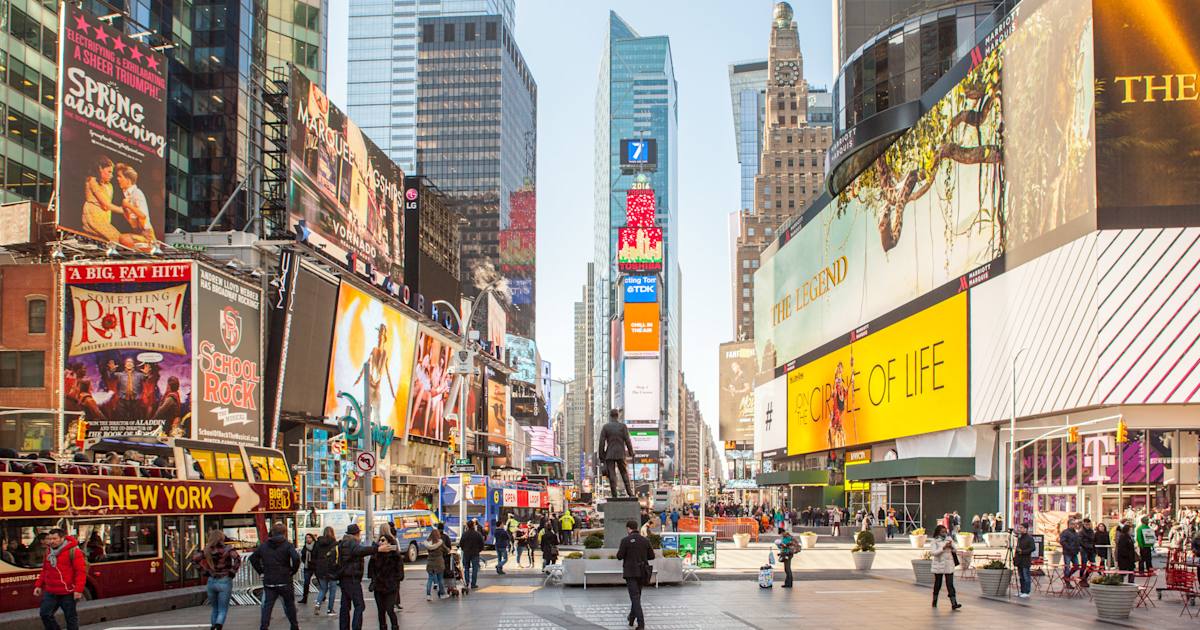
In a city that has always understood the power of presence, New York City is leaning decisively into experience as its next great economic engine. Beyond the steady pulse of finance and technology, the city is reasserting its global identity through industries that cannot be digitized—hospitality, live entertainment, and tourism—sectors built not just on transactions, but on atmosphere, memory, and human connection.
This renewed focus reflects a broader shift in the global economy. In a post-digital, post-pandemic world, value is increasingly tied to experiences that are felt rather than simply consumed. New York, with its unmatched cultural density and global visibility, is uniquely positioned to capitalize on this transition. From luxury hotels redefining service to immersive theatre productions and high-profile events, the city is curating an ecosystem where experience itself becomes a form of capital.
Hospitality, in particular, is undergoing a quiet transformation. It is no longer just about accommodation—it is about narrative. Hotels are evolving into cultural spaces, blending design, cuisine, and curated experiences to attract a clientele that seeks more than comfort. The modern traveler is not simply visiting New York; they are entering a story, one shaped by exclusivity, identity, and access.
At the same time, live entertainment is reclaiming its place as a cornerstone of the city’s economic vitality. Broadway continues to draw global audiences, while new formats—immersive shows, private performances, and cross-industry collaborations—are expanding the definition of entertainment itself. These are not passive experiences; they are participatory, designed to engage audiences in ways that digital platforms cannot replicate.
Tourism, long a pillar of New York’s economy, is also being reimagined. The focus is shifting from volume to value, with an emphasis on attracting high-impact visitors who contribute not only through spending, but through influence. Luxury travel, curated city experiences, and exclusive access are becoming central to how New York positions itself on the global stage.
What ties these sectors together is their ability to create emotional resonance. In an era where digital saturation has made content abundant but often fleeting, physical experiences carry a different weight. They are remembered, shared, and, perhaps most importantly, felt. New York’s strategy recognizes this distinction, positioning the city not just as a destination, but as a stage where moments of significance unfold.
There is also a strategic dimension to this shift. Experience-based industries generate employment across a wide spectrum, from creative professionals to service providers, while also driving demand in adjacent sectors such as retail, real estate, and transportation. They offer a form of economic resilience that is less susceptible to the volatility affecting purely digital or financial markets.
Yet this evolution is not without its challenges. Rising costs, shifting consumer expectations, and global competition mean that New York must continuously innovate to maintain its edge. The city is not simply competing with other destinations—it is competing with the convenience and accessibility of digital alternatives. To succeed, it must offer something that cannot be replicated elsewhere.
In doubling down on hospitality, entertainment, and tourism, New York is making a clear statement about its future. It is choosing to invest in presence over pixels, in experience over abstraction, and in the enduring appeal of a city that knows how to captivate the world.
In doing so, it is not just sustaining economic growth—it is redefining what growth looks like in an age where the most valuable commodity is no longer information, but experience.
Leave a Reply