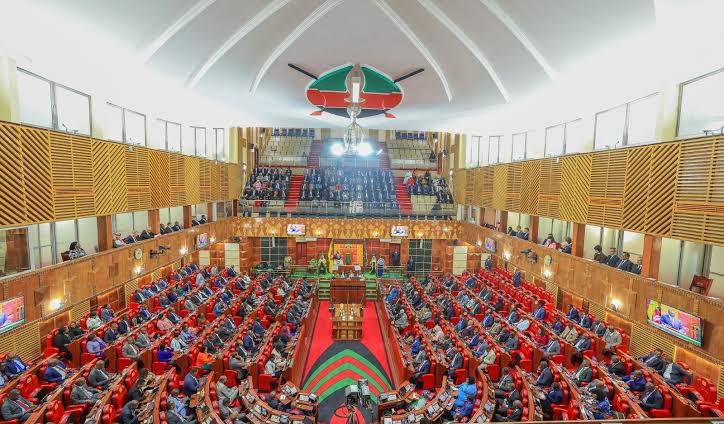
Kenya’s National Treasury has laid out a bold fiscal roadmap under the Bottom-Up Economic Transformation Agenda (BETA). Operating under the theme of “Inclusive and Sustainable Growth,” the 2026 Budget Policy Statement (BPS) outlines the government’s strategic priorities, medium-term expenditure frameworks, and fiscal policies designed to anchor economic resilience against a backdrop of global uncertainty.
Accompanying the BPS are pivotal proposals in the Finance Bill 2026, which seek to streamline tax administration, widen the tax revenue base, and introduce strategic sovereign funding mechanisms. Here is a breakdown of what citizens, businesses, and youth need to know.
1. Expanding the Tax Base: Digital Services and E-Mobility Changes
The government is looking closely at the evolving modern economy to optimize Value Added Tax (VAT) collection, proposing key adjustments to the VAT Act Schedules under the banner of “Tu-grind Digital.”
- Digital & Platform-Based Financial Services: The Finance Bill 2026 proposes to bring digital and platform-based financial transactions into the VAT net. This targets the rapidly growing digital economy to ensure equity in tax contributions.
- The E-Mobility Shift: In a move slated to impact the transport sector (“Boda zitashuka bei!”), the bill proposes standard rating the supply of electric motorcycles, electric buses, and electric bicycles. This shift aims to structurally reorganize incentives and market pricing around green transport.
2. Tax Administration: Shorter Deadlines for Filing Income Tax
In an effort to accelerate revenue visibility and enhance efficiency (“Tunafile Bila Stress”), the National Treasury is proposing a tighter window for compliance.
- The Deadline Reduction: The Finance Bill intends to revise the timelines for filing income tax returns for both individuals and corporate entities.
- The Timeline: The annual filing deadline is set to contract from six months to four months after the end of the income year. For standard calendar-year taxpayers, this means moving the traditional June 30th rush forward to April 30th.
3. Relief for Taxpayers: Extension of the Tax Amnesty
Recognizing the economic pressures facing businesses and individuals, the government is offering a window of relief to encourage compliance and clear backlogs.
- Amnesty Extension: The Finance Bill will extend the tax amnesty on accrued interests, penalties, and fines relating to historical tax liabilities.
- The Condition: Taxpayers will benefit from a 100% waiver on these penalties and fines, provided that the principal tax liability is fully settled before a designated statutory due date.
4. Investing in Tomorrow: Sovereign Funds to Empower Gen Z
Framed around the promise of “Future ni Yetu!” (The Future is Ours), the BPS underscores a commitment to empowering the youth and sustainably financing national growth ambitions without solely relying on traditional debt. The government has approved the establishment of two critical financial vehicles:
- National Infrastructure Fund: Designed to mobilize domestic resources and attract private capital specifically for capital-intensive infrastructure developments.
- Sovereign Wealth Fund: Aimed at monetizing public assets, creating long-term national savings, and building economic buffers for future generations.
Summary of Key Shifts
| Policy Area | Current/Previous Framework | Proposed 2026 Framework | Goal |
| Income Tax Filing | Within 6 months of year-end (June 30) | Within 4 months of year-end (April 30) | Accelerated compliance & cash flow tracking |
| Digital Finance | Standard/Exempt variations | Fully brought to charge under VAT | Expanding revenue base into digital spaces |
| Tax Relief | Standard penalty frameworks | Extended Amnesty (Waiver on penalties) | Relief for businesses; clearing principal tax debt |
| Resource Mobilization | Traditional budgetary allocations | National Infrastructure & Sovereign Wealth Funds | Monetizing public assets; attracting private capital |
As Kenya maneuvers through domestic economic transitions and volatile global markets, the 2026 fiscal strategy attempts a delicate balancing act: enforcing stricter tax discipline and digital compliance on one hand, while extending relief cushions and long-term investment funds on the other.
Leave a Reply